




In places like Kochi, the transition period between summer and monsoon is often unpredictable. One moment the weather is intensely hot and humid, and the next moment heavy rain cools the atmosphere temporarily. Consequently, frequent changes in weather conditions can disrupt the skin’s natural balance and contribute to various skin concerns. According to the best dermatologist kochi, this mixed climate often triggers various skin concerns that require timely attention.
Many people notice increased oiliness, itching, dullness, tanning, fungal infections, acne breakouts, and skin sensitivity during this seasonal shift. Therefore, understanding these skin changes and following the right skincare practices can help maintain healthy, balanced skin throughout the season. If symptoms persist, consulting the best skin specialist in kochi can help prevent complications and ensure proper treatment.
Common Skin Changes During Mixed Summer & Rainy Seasons
1. Excess Oil Production and Acne Breakouts
As temperatures rise, the skin tends to generate higher levels of sweat and sebum Furthermore, when humidity rises during rainy days, the skin becomes sticky, causing pores to clog more easily. Consequently, this can lead to blackheads, whiteheads, and acne flare-ups, particularly in people with oily or combination skin.
In addition, individuals with acne-prone skin may notice painful pimples becoming more frequent during seasonal weather changes. The best dermatologist kochi often recommends gentle cleansing and oil-control measures to reduce breakouts during this period.
2. Fungal Infections Become More Common
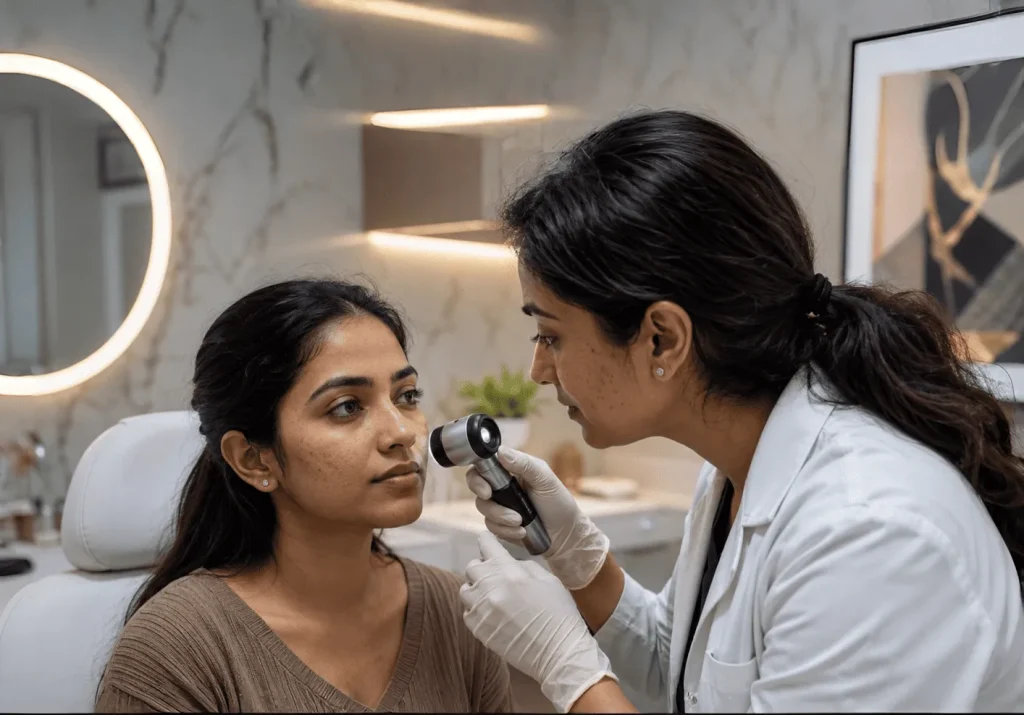
When sweat accumulates on the skin and clothing remains damp, certain fungi can multiply more easily, leading to various skin-related infections. Areas such as the neck, underarms, groin, feet, and beneath the breasts are especially vulnerable.
Common symptoms include:
- Itching
- Red patches
- Peeling skin
- Small rashes
- Unpleasant odor
Unfortunately, many people mistake fungal infections for simple allergies and delay treatment. Consequently, the infection can become more severe if left untreated. Seeking guidance from the best skin specialist in kochi can help identify the problem early and prevent recurrence.
3. Skin Becomes More Sensitive
At the same time, sudden shifts between extreme heat and cooler rainy weather can weaken the skin’s natural protective barrier. Consequently, individuals may experience:
- Redness
- Irritation
- Burning sensation
- Dry patches
- Increased sensitivity to skincare products
Moreover, people with eczema, rosacea, or allergy-prone skin may experience more frequent flare-ups. The best dermatologist kochi often advises using barrier-repair skincare products during this season to minimize irritation.
4. Increased Pigmentation and Tanning
Although many people assume cloudy weather is harmless, UV rays can still penetrate through clouds and damage the skin. Therefore, skipping sunscreen during monsoon can contribute to tanning, pigmentation, and uneven skin tone.
Additionally, sweating combined with sun exposure may trigger skin redness and inflammation. Regular sun protection is strongly recommended by the best skin care clinic in kochi to prevent seasonal pigmentation issues.
5. Dehydrated Yet Oily Skin
One of the most confusing effects of humid weather is that the skin may appear oily while actually being dehydrated internally. Because excessive sweating causes water loss, the skin may look greasy yet feel tight and uncomfortable.
Consequently, the skin may lose its natural radiance and develop a rough or uneven appearance. The best skin specialist in kochi recommends maintaining hydration both internally and externally to restore balance.
Precautions to Protect Your Skin During Seasonal Climate Changes
1. Cleanse the Skin Gently Twice Daily
Use a mild cleanser to remove sweat, dirt, excess oil, and pollutants without over-drying the skin. However, avoid harsh soaps, as they can damage the skin barrier and increase irritation. The best dermatologist kochi emphasizes that over-cleansing can actually increase oil production.
2. Never Skip Sunscreen
Even on rainy or cloudy days, sunscreen remains essential. Therefore, choose a lightweight, non-greasy sunscreen with broad-spectrum protection and reapply when necessary.
3. Keep the Skin Dry and Fresh
Because moisture trapped in skin folds encourages fungal growth, wear breathable cotton clothing and dry the body thoroughly after sweating or getting wet. Changing into clean, dry clothing as soon as possible can help reduce moisture-related skin problems.
4. Stay Hydrated

Drinking adequate water throughout the day helps the skin recover from heat stress and maintain a stronger barrier function. Additionally, include water-rich fruits such as watermelon, cucumber, and oranges in your diet.
5. Use Light Moisturizers
Although the weather feels humid, the skin still requires hydration. Therefore, choose gel-based or lightweight moisturizers recommended by the best skin care clinic in kochi to maintain healthy moisture levels without clogging pores.
6. Avoid Heavy Makeup During Humid Days
Heavy makeup can mix with sweat and humidity, leading to clogged pores and acne. Instead, opt for non-comedogenic products and always remove makeup before sleeping.
7. Pay Attention to Early Skin Changes
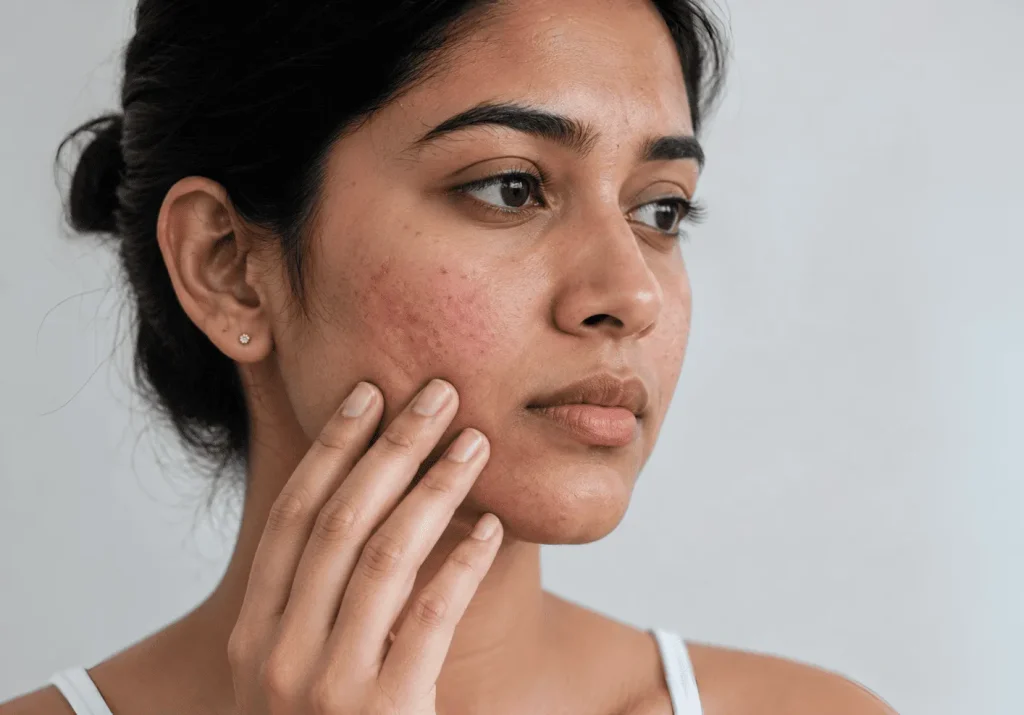
Finally, persistent itching, unusual redness, rashes, pigmentation, or sudden acne flare-ups should never be ignored. Seeking timely medical evaluation from the best dermatologist kochi can help address skin concerns before they become more complex or persistent.
Seasonal weather changes can affect every skin type differently. Therefore, maintaining a proper skincare routine and seeking timely advice from the best skin specialist in kochi can help keep your skin healthy throughout Kochi’s changing climate. For personalized care and advanced treatment options, visiting the best skin care clinic in kochi can make a significant difference in your skin health.

